
Blog · 2026-11-09
Dryer Vent Cleaning: The Fire-Safety Chore Most Homes Skip
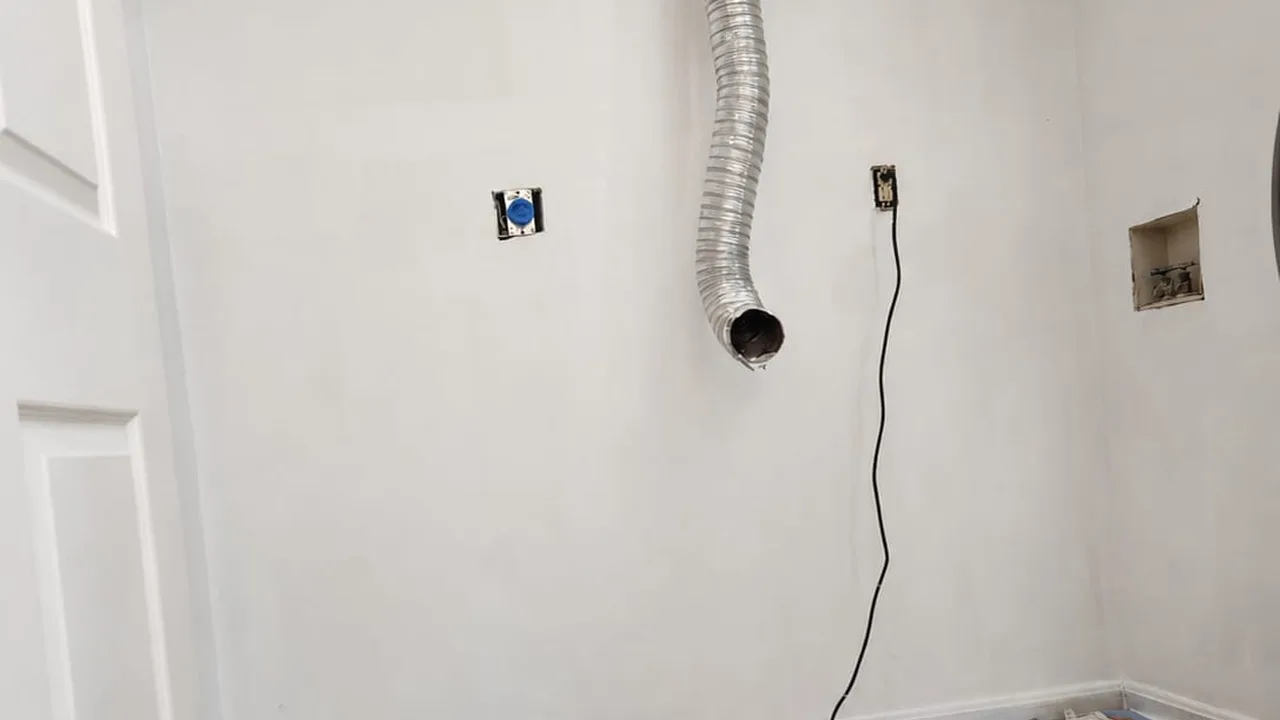
Fire departments respond to thousands of dryer fires every year, and the leading cause is the simplest one: lint that was never cleaned out. The lint trap catches only a fraction of what a load produces. The rest travels into the vent line, a little with every cycle, until the line is a felted tube of fuel with a heating element at one end.
The five warning signs
Loads take two cycles. The dryer is fine — the moist air has nowhere to go. Clothes come out hot but damp. Heat without airflow. A burning smell during a cycle — stop the dryer and treat this one seriously. The laundry room feels humid or smells musty while drying, meaning exhaust is leaking back indoors. The exterior flapper barely moves while the dryer runs, or is visibly matted with lint.
Why long and roof-exit vents clog worst
Every bend and every extra foot of vent line slows the air and gives lint a place to settle. The long runs and roof exits common in newer Maryland construction clog fastest of all — and because they are out of sight, they are the ones that go a decade without attention.
What a real cleaning includes
Not a brush on a drill for the first three feet. A proper job measures airflow at the exterior cap, runs rotary brushes the full length of the line under vacuum, clears the lint trap housing and transition hose, checks every connection, and measures airflow again so you can see the difference. It takes under an hour for most homes.
What else we find inside vent lines
Lint is the headliner, but it is not the whole show. Bird nests at the exterior cap are a spring ritual in Maryland — a warm, sheltered tube is prime real estate, and a nest can choke a vent in a single season. Behind the dryer we find crushed and kinked flex hose, joints that have pulled apart and now pump warm moist air into a wall cavity, and foil flex that should have been replaced with rigid or semi-rigid metal years ago.
These finds matter beyond fire risk. A disconnected joint humidifies the inside of a wall with every load. A crushed hose makes the dryer work harder and die younger. That is why a real vent cleaning walks the whole path of the line — cap, joints, transition hose and all — instead of brushing the first few feet and calling it done.
The annual rule
Dryer manufacturers and fire departments agree: clean the vent line once a year. Put it on the same mental list as the chimney sweep. And if your home is getting a full air duct cleaning, ask about the seasonal bundle — our dryer vent cleaning is free with a full duct cleaning, same visit, during the current offer. Call (855) 640-0404 to book both in one visit.
Questions we hear on this topic
For a short, straight, ground-level vent, a brush kit is a reasonable in-between measure. For long runs, roof exits or lines with bends, a kit usually cannot reach the middle of the line — which is where the felted lint sits — and it cannot measure airflow before and after. If loads still take two cycles after a DIY pass, the line needs the full-length rotary treatment.
Under an hour for most homes, including airflow measurements at the exterior cap before and after the cleaning, so you can see the improvement in numbers rather than take our word for it.
Roof exits are common in newer Maryland construction and they clog fastest, because lint has to travel up the whole way. They are cleanable from inside with the right equipment — a standard cleaning does not require anyone on your roof.
Want us to look inside your ducts?
Book a cleaning or a camera inspection — and get the seasonal free dryer vent cleaning with a full duct cleaning, same visit.