
Blog · 2026-11-09
How Often Should You Clean Your Air Ducts?
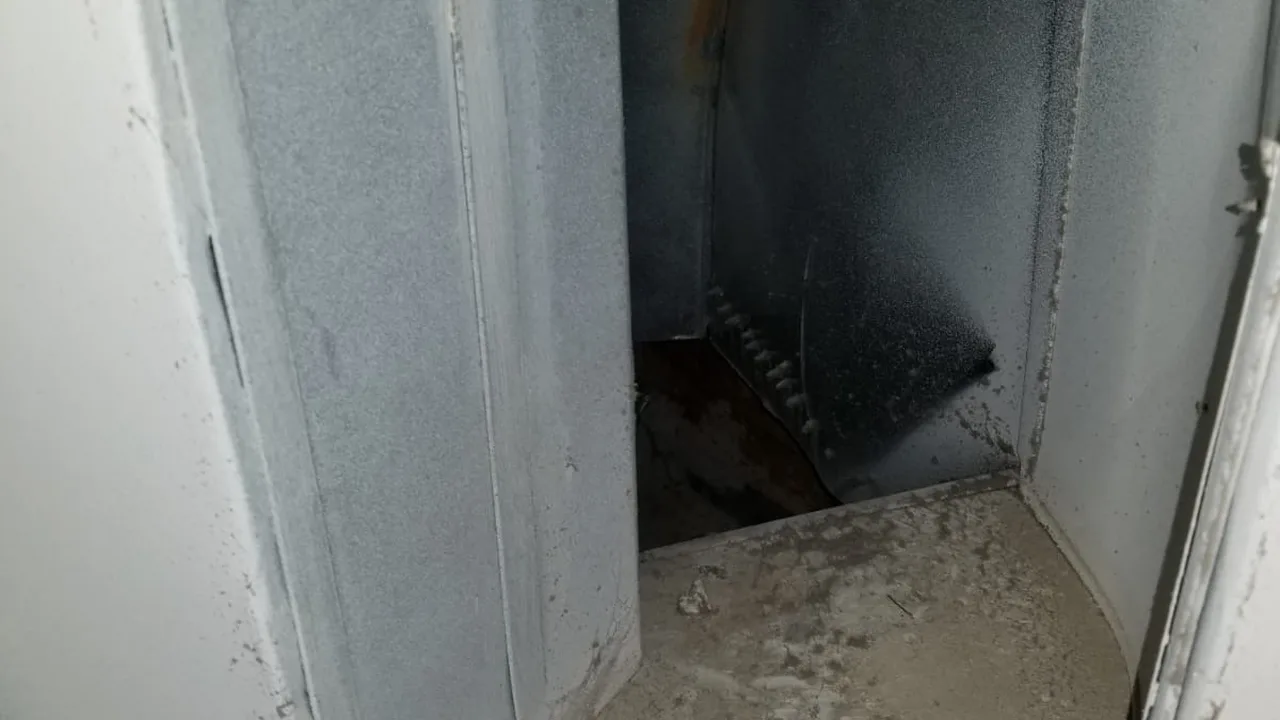
Ask three companies and you may hear three answers. Here is the schedule we actually give our own customers — the same one we would give family — based on what we see inside Maryland duct systems every day.
The baseline: every 3–5 years
For a typical single-family home with no pets and no allergy sufferers, a full-system cleaning every 3–5 years keeps buildup from reaching the point where it affects air quality, odours or airflow. Industry guidance from the National Air Duct Cleaners Association lands in the same range.
Every 2–3 years if any of these apply
Pets. Dander and hair load a system far faster than dust alone. Allergies or asthma in the home. The duct system is a reservoir for exactly the triggers that matter. Smokers indoors. Residue coats duct surfaces and holds odour. Wood stoves or fireplaces used heavily through winter.
Immediately, regardless of the calendar
After renovation work. Drywall and sawdust get everywhere — including inside open or even closed ductwork. After moving in. You inherit the previous occupants' dust, dander and history; most buyers clean before the furniture settles. After water damage near the system. Moisture plus dust is a mould recipe; the ducts should be inspected, not assumed fine. After vermiculite, pest or mould findings anywhere near the ductwork — inspection first.
What does NOT need a calendar
Dryer vents are separate: those are annual, every year, because the risk is fire rather than comfort. Furnace filters are monthly-to-quarterly depending on type. Neither replaces the other.
The Maryland factor
Intervals are national advice; houses are local. Maryland summers are humid, and a system that sweats through July and August loads its ductwork differently from one in a dry climate. Spring pollen here is not a figure of speech — oak and pine season coats cars yellow, and a share of that pollen ends every day inside your return ducts. Older housing stock matters too: Baltimore rowhomes and postwar suburbs carry ductwork that has seen decades of occupants, renovations and filter habits, and it accumulates accordingly.
So use the calendar as a starting point, then let events override it. And make the next decision easier than this one: when your ducts are cleaned, write the date on the furnace door or the filter frame with a marker. Half the homeowners we visit are guessing their last cleaning date — the ones who wrote it down never have to.
One more rhythm worth adopting: pair the decision with something you already do. When the HVAC gets its annual service, ask the tech to note the filter's condition and any dust at the blower — a system that loads its filter and blower quickly is telling you its ducts are on the shorter interval, whatever the calendar says. Evidence first, schedule second: that order keeps the 3–5 year rule honest instead of turning it into a subscription you never questioned.
Not sure where you stand?
If your last cleaning date is a guess, do not book a cleaning on a guess. A camera inspection shows you the inside of your own ducts on screen, and the recommendation — clean now or wait — comes with photos. Call (855) 640-0404 and we will set it up.
Questions we hear on this topic
No — a proper cleaning is rotary brushing and air whips under negative pressure; it does not wear ductwork out. The real cost of cleaning too often is money, not damage, which is exactly why we will tell you when the camera says your system can wait.
Often, once. Construction dust, drywall-sanding debris and sawdust end up inside new ductwork during the build, no matter how careful the builder is. One post-construction cleaning starts the home at zero; after that, the normal 3–5 year rhythm applies.
No. Dryer vents are annual — every year — because the risk there is fire, not comfort. Many of our customers pair the annual dryer vent cleaning with whichever year the full system falls due, in a single visit.
Want us to look inside your ducts?
Book a cleaning or a camera inspection — and get the seasonal free dryer vent cleaning with a full duct cleaning, same visit.